Skip to content
🔍How to Select a Steel Supplier
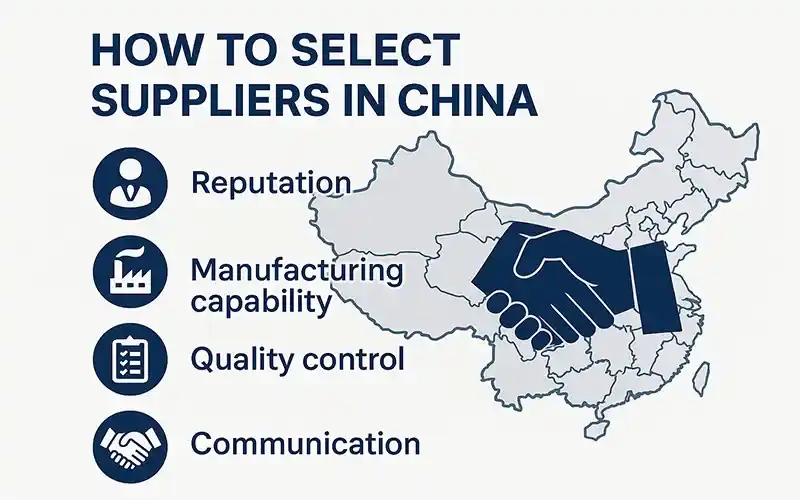
Selecting a reliable steel supplier in China can make or break your supply chain success. Whether you’re sourcing carbon steel pipes, galvanized coils, or H-beams, choosing the right partner ensures quality, price, and delivery consistency. China, as the world’s leading steel producer, offers large-scale production, competitive pricing, and extensive OEM capabilities.
But with thousands of suppliers on the market, how do you find the right one?
This guide outlines key factors to consider when choosing steel suppliers from China — from verifying capabilities to avoiding risks — all optimized for international B2B buyers.
✅ 1. Large-Scale Production & Industrial Ecosystem
China’s steel industry benefits from world-leading production capacity and a complete supply chain infrastructure.
Many suppliers operate in industrial clusters (e.g., Hebei, Jiangsu, Shandong), enabling efficient coordination from raw material to finished product.
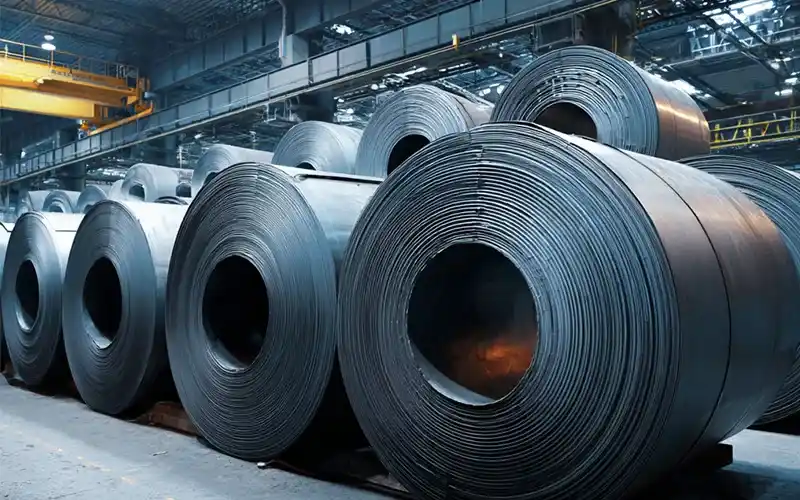
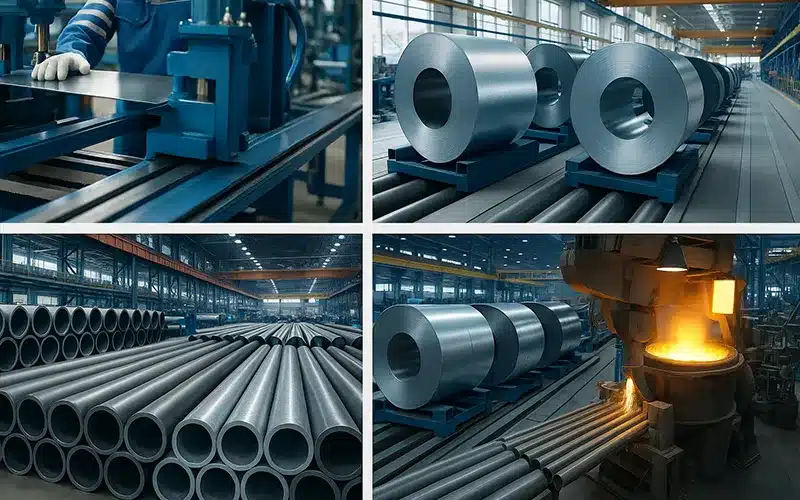
Large factories often own multiple production lines for pipes, coils, plates, and profiles, supporting bulk procurement and consistent supply.
📌 Pro Tip: Choose suppliers with annual output >100,000 tons — they tend to offer better inventory turnover and stable quality control.
💰 2. Significant Cost & Price Advantages
One of the biggest reasons global buyers choose China is the cost advantage.
Lower labor and energy costs lead to more competitive per-ton prices, especially in bulk orders.
Many Chinese suppliers offer FOB, CIF, and DDP options, optimizing your landed cost in different regions (Middle East, Africa, South America, etc.).
🧮 Always ask for:
Price per ton (EXW, FOB, CIF)
Delivery port options
Current steel index fluctuations
📐 3. Wide Range of Grades and Specifications
From mild steel Q235 to high-strength alloy S355, Chinese steel manufacturers often provide a broad grade spectrum:
| Type | Typical Grades Available | Application |
|---|---|---|
| Carbon Steel | Q195, Q235, Q345, ASTM A36 | Pipes, plates, construction |
| Galvanized Coil | DX51D, SGCC, Z275 | Roofing, appliance, fabrication |
| Steel Profiles | H-Beam, I-Beam, Channel | Infrastructure, warehouses |
📌 Be sure to confirm mechanical properties (yield strength, elongation) and certifications like ISO, SGS, BV, TUV.
🚛 4. Efficient Production and Reliable Delivery
Timely delivery is essential for international procurement. Choose suppliers with:
Shorter lead times (7–20 working days for common sizes)
Export experience with your region
Partnerships with reliable freight forwarders (supporting both 20ft/40ft containers)
🗓️ Delays in customs or production can be mitigated with clear INCOTERMS and delivery schedules in contract.
🧰 5. Flexible Customization & OEM Services
Need logo stamping? Custom steel grades? Extra corrosion coating?
Many Chinese suppliers support:
OEM/ODM production
Private labeling for resellers
Customized packaging for distribution
📌 Make sure to clarify minimum order quantity (MOQ) and sample policy for special requests.
🔍 6. Understand the Supply Channels
Steel supply in China includes mills, trading companies, and export agents:
| Supplier Type | Pros | Cons |
|---|---|---|
| Direct Manufacturer | Better price, production control | High MOQ, limited flexibility |
| Trading Company | Flexible, multi-product sourcing | Slight markup in pricing |
| Export Agent | Handles end-to-end export | May lack product expertise |
🎯 For long-term business, direct manufacturers + English-speaking sales teams are often the best balance.
⚠️ 7. Reduce Procurement Risks
Before signing contracts, mitigate common sourcing risks:
Check business licenses and factory certifications
Confirm product specs match international standards
Use clear written contracts, including penalties for delay/quality deviation
Request pre-shipment inspection by a 3rd-party (e.g., SGS, Intertek)
📌 Avoid over-dependence on a single supplier — always shortlist 2–3 backups.
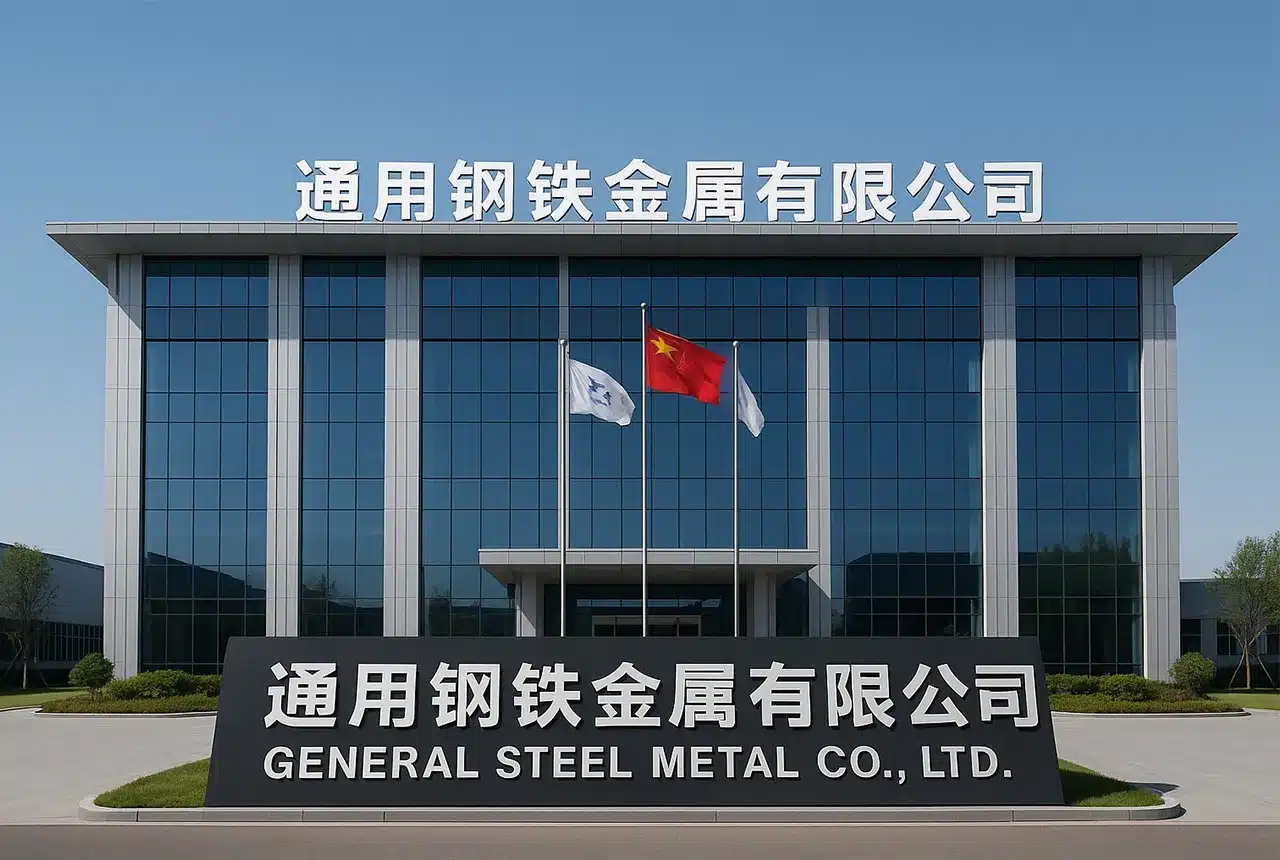
📍 8. On-Site Supplier Verification
Nothing replaces visiting the factory (or having someone do it for you). On-site audits can reveal:
Real production scale vs brochure claims
Quality control systems
Storage conditions and workforce capacity
✅ If you can’t travel, hire a local inspection agent or ask for live factory video walkthroughs.
🧠 Final Takeaways
When choosing a steel supplier in China, look beyond price. Consider:
Their production capacity and export experience
Material standards, certificates, and customization options
Response time, documentation ability, and communication clarity
Delivery track record and packaging quality
Building a trust-based long-term relationship with a verified Chinese steel supplier will save you time, cost, and business risk.
🙋 Frequently Asked Questions (FAQ)
👉 For unique specs or small MOQs, trading companies offer flexibility. For bulk orders and lower cost, direct factories are better.
👉 ISO 9001, SGS, BV, TUV, and specific mill test certificates (MTC) for your steel grade.
👉 Yes, most suppliers offer OEM services, especially for repeat buyers or large-volume orders.
👉 Use third-party inspections and ask for mill test reports (MTC) + photos/videos before container sealing.
👉 Around 7–15 working days for standard items; 20–30 days for custom production.